
A ski holiday is one of winter’s greatest pleasures — snow-covered peaks, crisp mountain air, the exhilaration of the slopes, and the warmth of an alpine chalet at the end of the day. But for many travelers, skiing feels financially out of reach. The reality is more encouraging: with the right timing, destination choice, and a well-structured travel package, a budget ski holiday is entirely achievable — without sacrificing the magic of the mountains.
This guide shows you exactly how to find cost-effective ski holiday packages, which destinations offer the best value, when to travel, and the practical tips that make the difference between an expensive winter trip and an affordable one.
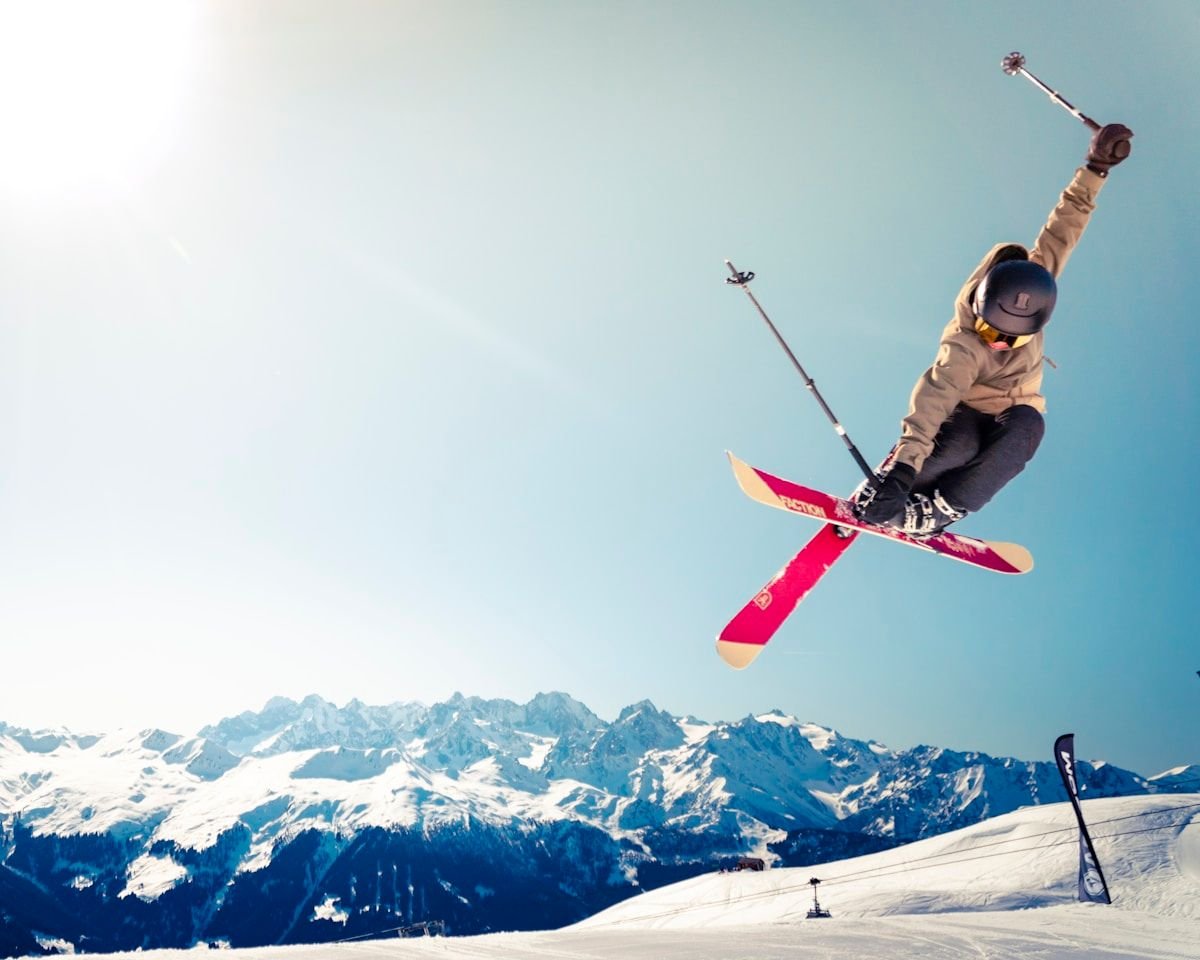
The Alps in winter — accessible to budget-conscious travelers with the right planning and package
Why Ski Holidays Seem Expensive — and Why They Don’t Have to Be
A ski trip involves several cost components that stack up quickly: airfare, accommodation, lift passes, equipment rental, ski lessons, food, and transfers. The total can reach surprising levels — but almost every one of these costs can be significantly reduced with planning.
The key insight most travelers miss is that the most expensive ski holidays are not expensive because skiing is expensive — they are expensive because they are booked at peak times, in the most famous resorts, with last-minute convenience pricing. Change those three variables and the cost picture changes dramatically.
How to Find the Best Budget Ski Holiday Packages
1. Book Early or Travel Late Season
Booking 3–6 months in advance typically secures the best combination of price and availability. Alternatively, the late season (March–April) offers significantly reduced rates at most resorts, longer daylight hours, sunnier days, and in many Alpine areas, surprisingly good snow conditions at higher altitudes. March skiing in Austria or Italy can be excellent — and 30–40% cheaper than January.
2. Avoid Peak Holiday Weeks
Christmas and New Year weeks are the most expensive periods in ski resorts worldwide — hotels charge peak-season rates, lifts are crowded, and package prices reflect maximum demand. January (excluding New Year) typically offers the best combination of snow quality, resort atmosphere, and pricing. The first two weeks of January are often the most affordable time to ski in Europe.
3. Choose Smaller or Lesser-Known Resorts
The most famous ski resorts — Verbier, Courchevel, Zermatt, St. Moritz — carry premium pricing that reflects their brand status as much as their skiing quality. Many lesser-known resorts offer equally good skiing, better value accommodation, and a more authentic local atmosphere. In Austria, smaller Tyrolean villages adjacent to major ski areas offer this combination particularly well.
4. Choose All-Inclusive Packages
A well-structured ski package bundling hotel, lift passes, equipment rental, and transfers eliminates the “hidden cost” problem that inflates many individual ski bookings. Package pricing also makes budgeting much more predictable — you know your total cost before departure.
An alpine ski chalet — the quintessential ski holiday experience, increasingly accessible through package deals
Best Ski Destinations for Value Travel
🇦🇹 Austria
- Best overall value in the Alps
- Excellent smaller Tyrolean resorts
- Outstanding food & après-ski culture
- Ischgl, Sölden, Mayrhofen, Kitzbühel
- Good transport links from UK/Europe
🇮🇹 Italy (Dolomites)
- More affordable than France/Switzerland
- Excellent Italian food on the slopes
- Dolomiti Superski — one of Europe’s largest areas
- Val Gardena, Cortina d’Ampezzo, Livigno
- Livigno is a tax-free ski resort
🇫🇷 France
- World’s largest ski area (Paradiski, Trois Vallées)
- Mix of luxury and value resorts
- La Plagne, Les Arcs, Tignes for value
- Self-catering chalets reduce costs
- Excellent lift infrastructure
🇨🇭 Switzerland
- Premium quality but manageable on budget
- Choose off-peak timing
- Smaller villages near major resorts
- Graubünden resorts often better value than Verbier/Zermatt
- Swiss Rail pass reduces transport costs
🇯🇵 Japan (Hokkaido)
- World’s best powder snow
- Less crowded than European Alps
- Niseko, Hakuba, Furano, Rusutsu
- Rich cultural experience alongside skiing
- Excellent value once you’re there
Austria — Europe’s Best Value Ski Destination
An Austrian alpine village in winter — Tyrolean resorts offer the Alps’ finest combination of skiing quality and value
Austria consistently delivers the best price-to-quality ratio in Alpine skiing. Unlike Switzerland, Austria has not fully adopted the ultra-luxury positioning of Verbier or St. Moritz, which means genuinely excellent skiing, warm Tyrolean hospitality, and outstanding food and après-ski culture remain accessible at moderate price points — especially in smaller resorts away from Kitzbühel or Ischgl’s premium zones.
Best value Austrian resorts: Mayrhofen (Zillertal), Kaprun-Zell am See, Bad Gastein, Obertauern, and the Ötztal resorts (Sölden, Obergurgl) for reliable late-season snow. The Ski Amadé lift pass covers 760 km of slopes across 5 regions — one of Europe’s best multi-resort lift pass values.
Japan — The World’s Best Powder Snow Experience
Japan’s Hokkaido powder — the finest snow quality in the world, with significantly less crowding than the European Alps
Japan has become one of the world’s most sought-after ski destinations, and for good reason: Hokkaido’s Niseko ski area receives an average of 15 metres of snow per season — consistently rated the best powder snow in the world. The snowfall is a product of cold Siberian air picking up moisture over the Sea of Japan and dumping it on Hokkaido’s mountains in extraordinary quantities.
Beyond Niseko, resorts like Rusutsu, Furano, and Hakuba (in the Japanese Alps) offer equally outstanding snow with fewer crowds and lower prices. The cultural experience of combining skiing with onsen (hot spring baths), ramen noodles after the slopes, and staying in a traditional Japanese ryokan makes Japan a uniquely memorable ski destination.
Best Time to Travel for Budget Ski Holidays
| Period | Snow Conditions | Pricing | Best For |
|---|---|---|---|
| Early December | Developing — higher runs open | ⭐⭐⭐⭐ Cheapest | Beginners, budget travelers, resort exploration |
| January (mid) | Excellent — peak snow depth | ⭐⭐⭐ Good value | Best balance of quality & price |
| February | Excellent — reliable conditions | ⭐⭐ Peak prices | Families (half-term), best overall experience |
| March–April | Good — sunny, softer snow | ⭐⭐⭐⭐ 30–40% cheaper | Families, beginners, spring ski lovers |
Alpine Food — One of Skiing’s Greatest Pleasures
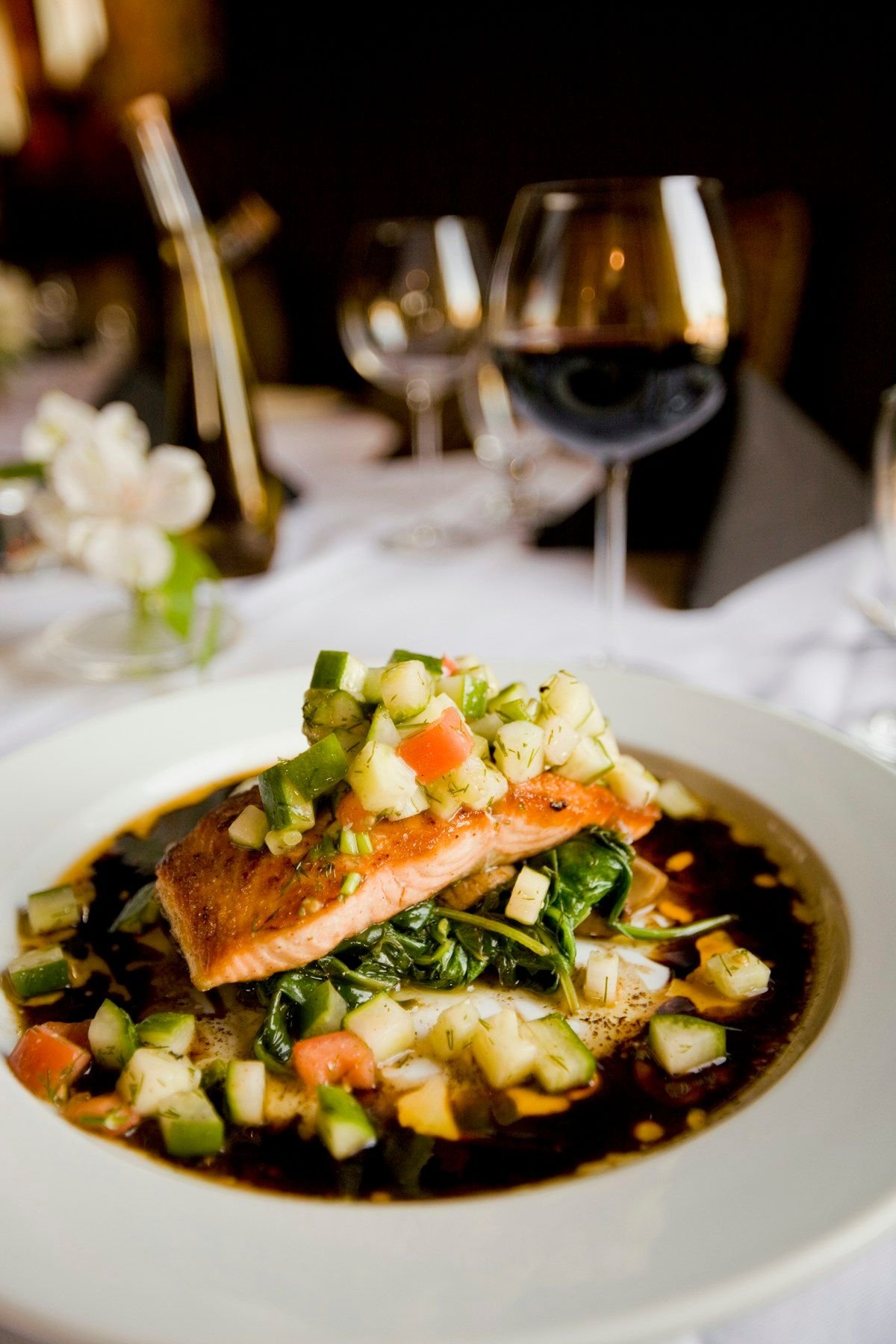
Mountain food is one of the most underrated pleasures of a ski holiday. After a day on the slopes, the warmth and richness of alpine cuisine is deeply satisfying — and in smaller resorts and authentic mountain restaurants, it is genuinely excellent.
🇫🇷 Raclette
🇫🇷 Tartiflette
🇦🇹 Wiener Schnitzel
🇦🇹 Apple Strudel
🇮🇹 Alpine Pasta
🇨🇭 Rösti
🇯🇵 Hot Ramen
🇯🇵 Miso Soup & Udon
The most expensive meals on a ski holiday are typically in slope-side restaurants at lunchtime. Pack a simple lunch (cheese, bread, fruit) to eat on the mountain at lunchtime, save your budget for a proper dinner in the village, and you can cut your daily food spend by 40–50% without missing any of the experience.
Must-Experience Ski Holiday Highlights
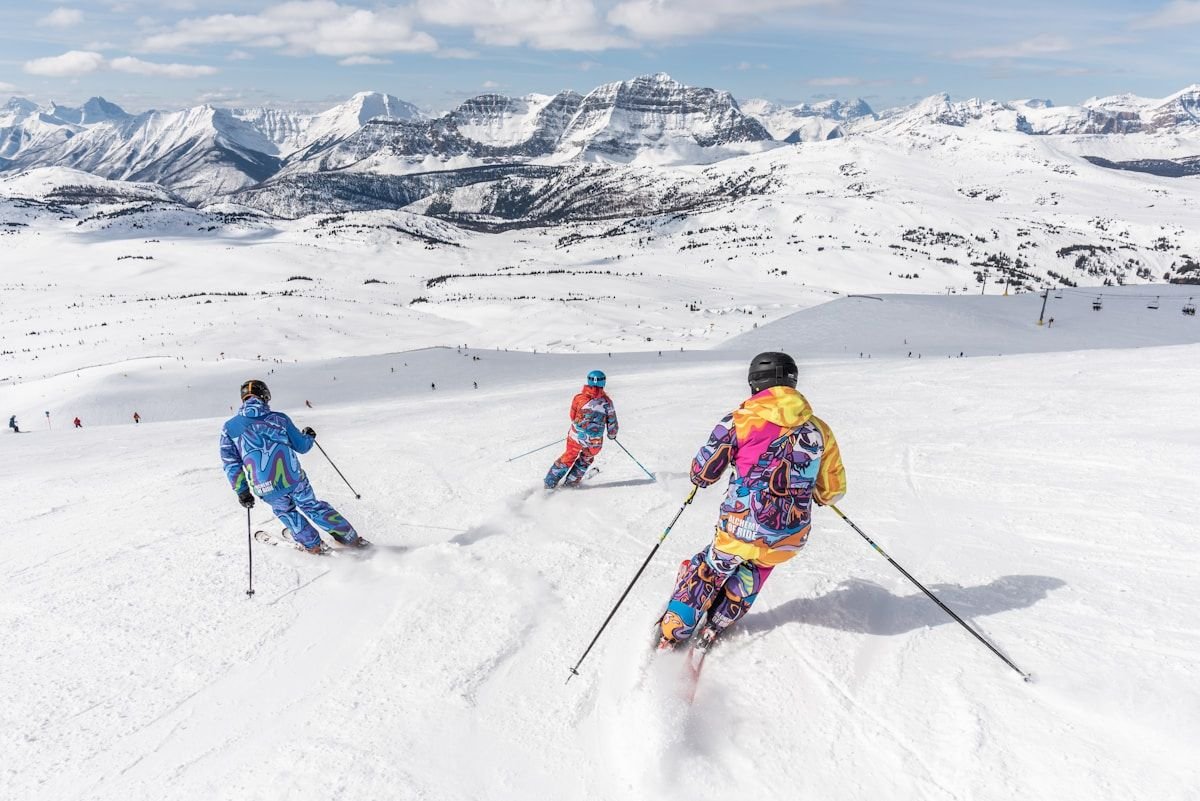
The slopes at a quieter moment — one of the great advantages of budget ski travel is finding these conditions more often
- Scenic cable car rides — even if you are not skiing, ascending above the treeline by cable car to see snow-covered peaks and valleys is one of winter travel’s most memorable experiences
- Beginner ski schools — most resorts offer excellent group lessons for first-timers; a week in ski school transforms you from nervous beginner to confident intermediate
- Snowboarding parks — terrain parks with jumps, rails, and halfpipes are found at most major resorts and are free with a standard lift pass
- Alpine winter markets — smaller resort villages hold traditional Christmas and winter markets with local food, craft goods, and mulled wine
- Après-ski culture — from Austria’s legendary music bars to Japan’s onsen thermal baths, the end-of-day mountain experience is as memorable as the skiing itself
Smart Tips to Reduce Your Ski Holiday Costs
❄️ Practical Budget Ski Travel Tips
- Rent equipment at the resort — buying ski gear is only worthwhile if you ski 10+ days per year; rental is significantly cheaper for occasional skiers
- Stay slightly outside the ski-in/ski-out zone — accommodations a 5–10 minute walk from the lifts are typically 20–30% cheaper than ski-direct properties
- Travel in groups — chalet and apartment rentals become substantially cheaper per person; group packages often include negotiated lift pass rates
- Book a package vs. booking individually — combined hotel + lift pass + equipment + transfer packages nearly always offer better value than booking each element separately
- Be flexible with dates — shifting your departure by even 2–3 days can make a significant price difference during transitional periods around school holidays
- Consider self-catering — apartments with kitchens allow you to prepare breakfasts and some lunches, cutting food costs significantly over a week
- Compare lift pass options — multi-day passes are significantly cheaper per day than single-day tickets; regional passes covering multiple linked resorts offer the best per-km value
Plan Your Budget Ski Holiday with Trip & Deal
Trip & Deal offers carefully structured ski holiday packages designed for value-conscious travelers — combining the best timing, resorts, and bundle pricing to make winter mountain adventures genuinely accessible. Whether you are planning your first ski holiday, a family winter break, a group adventure, or a solo mountain escape, we handle flights, accommodation, lift passes, transfers, and optional ski school arrangements.
Our ski packages cover Austria, Italy, France, Switzerland, and Japan — with early booking discounts and late-season specials available throughout the year.
The mountains don’t demand extravagance — they reward preparation. Let Trip & Deal put you on the slopes this winter, without the budget anxiety.
