
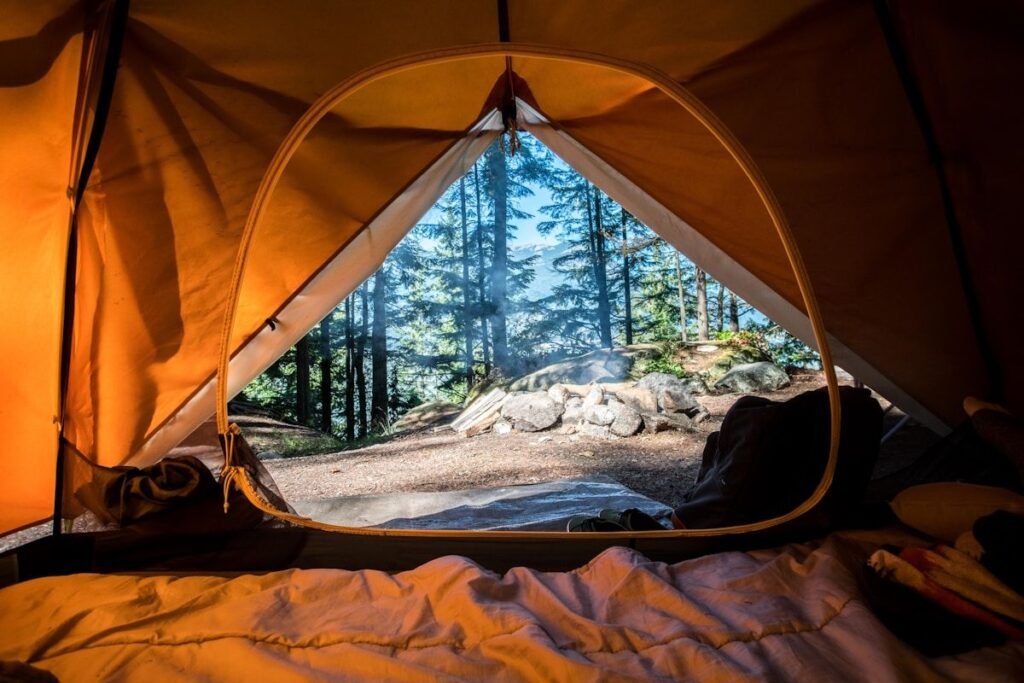
Your first camping trip lives or dies by what you pack. The right gear makes the difference between a memorable adventure and a miserable night outdoors — but over-packing is just as damaging as under-packing. The goal is to carry everything you genuinely need and nothing you don’t. This complete beginner’s guide to camping kits covers every essential category, explains why each item matters, and helps you pack with confidence.
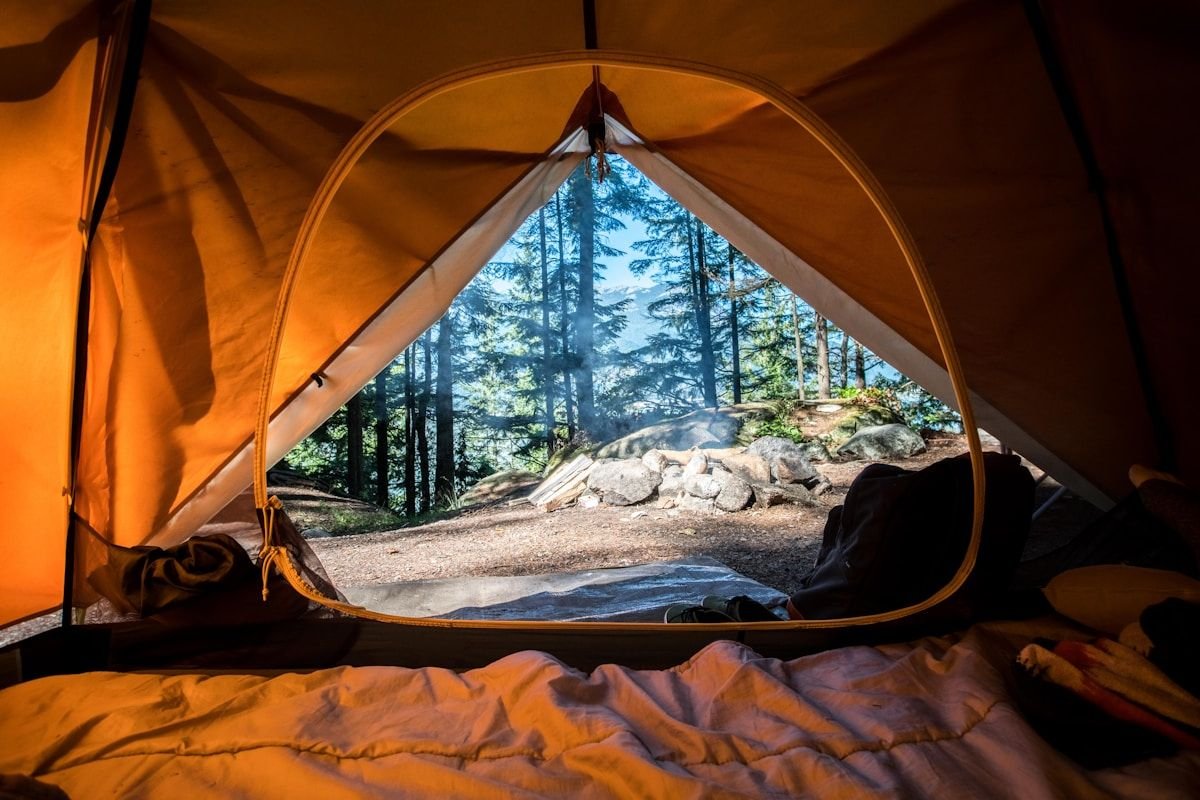
The perfect campsite begins with the right gear — your equipment is your home, kitchen, first aid, and survival system in one pack
1. Shelter & Sleeping Equipment — Your First Priority
Shelter and sleep quality are the foundation of any camping trip. Inadequate shelter leads to poor sleep, cold nights, and physical exhaustion that ruins the days that follow. This is the category where under-spending or under-preparing creates the most problems.
- Lightweight tent (waterproof & wind-resistant) — for beginners, a 3-season tent with a full flysheet is the right choice; it handles most conditions from summer to autumn. Check the hydrostatic head rating: 2,000 mm minimum for UK or mountain conditions; 3,000 mm for wetter climates
- Ground sheet or tarp — placed underneath your tent, prevents moisture wicking up from the ground and protects the tent floor from damage
- Sleeping bag (season-rated for your conditions) — choose a 3-season bag (rated to around -5°C) for general camping; a 4-season bag for winter or high-altitude. Mummy bags retain heat better than rectangular ones
- Sleeping mat or inflatable pad — often more important than the sleeping bag: 80% of warmth is lost through the ground. An insulated sleeping mat (with an R-value of at least 2 for three-season, 4+ for winter) prevents this heat loss
For mountain or cold-weather camping, choose a tent with a geodesic dome design rather than a tunnel tent — the dome structure withstands high winds significantly better. Always practice setting up your tent in your garden before your first trip; struggling with poles in rain and fading daylight is miserable.
2. Survival & Emergency Kit — Non-Negotiable Safety Items
A compact survival kit is small enough to fit in a single ziplock bag or small pouch — and it could save your life in an unexpected situation. Every camper, regardless of experience level, should carry one.
🆘 Compact Survival Kit Checklist
- Emergency space blanket (reflects 90% body heat)
- Waterproof matches or reliable lighter
- Firestarter (magnesium striker as backup)
- Multi-tool or quality jackknife
- Duct tape (small roll — fixes almost anything)
- Whistle (three blasts = international distress signal)
- Signal mirror
- Water purification tablets
- Antiseptic wipes & wound closures
- Band-aids & blister plasters
- Pain relief tablets
- Emergency contact card
Keep your survival kit and first aid items in a separate, brightly coloured pouch at the top of your pack — not buried at the bottom. In an emergency, you need to find them in seconds, not minutes.
3. Clothing — The 3-Layer System
Your clothing is your personal climate control system in the outdoors — and the most common mistake beginners make is packing the wrong fabrics. The 3-layer system is the most effective approach for variable outdoor conditions:
- Base layer (moisture-wicking) — sits against your skin and moves sweat away from your body. Merino wool or synthetic fabrics (not cotton — cotton holds moisture and causes rapid heat loss in cold or wet conditions)
- Mid layer (insulation) — traps warm air close to your body. Fleece or down jacket depending on conditions; a packable down jacket is ideal for versatility
- Outer layer (waterproof + windproof shell) — a quality waterproof jacket with sealed seams and a hood is essential for any camping in changeable weather
Additional clothing essentials: warm hat and gloves (you lose 30–40% of body heat through your head), waterproof hiking boots broken in before your trip, wool or synthetic socks (avoid cotton), and gaiters for snow, mud, or dense vegetation.
4. Cooking & Food Supplies — Fuel for the Outdoors
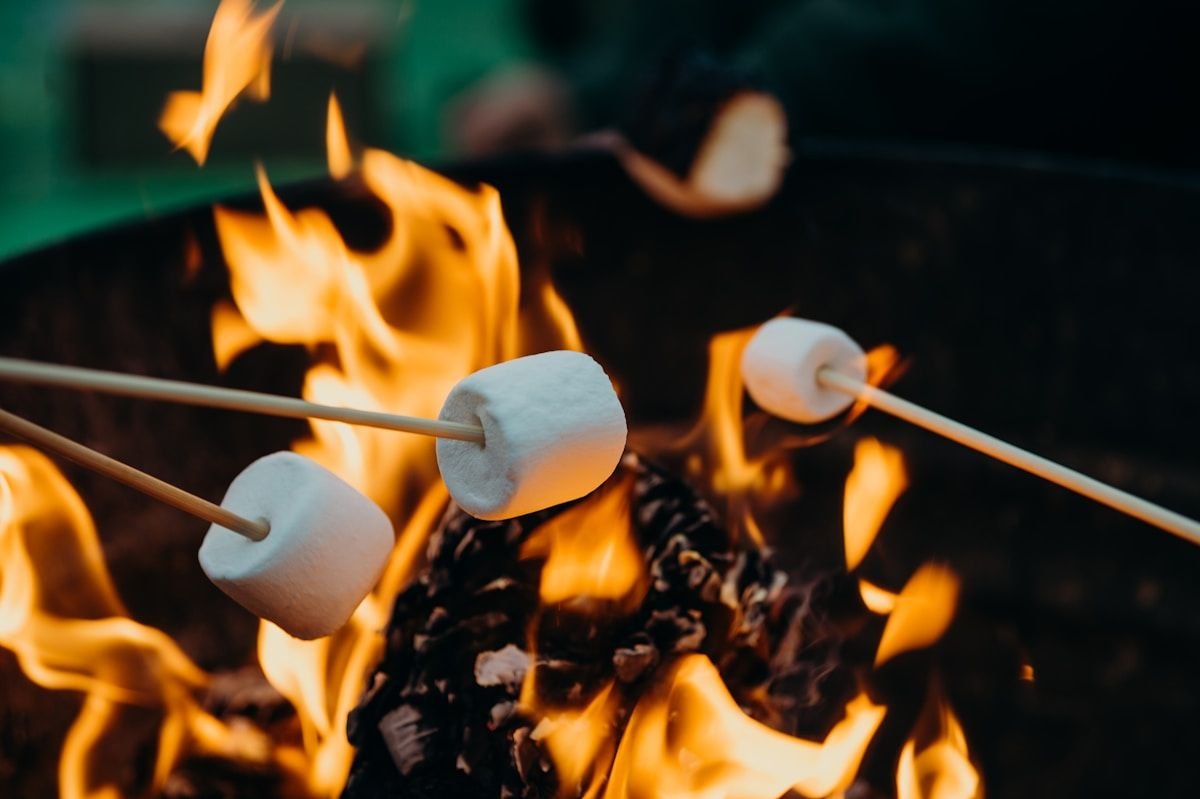
Outdoor cooking over a camp stove — one of camping’s most satisfying rituals, requiring minimal but well-chosen equipment
Food is energy — and in the outdoors, your body burns calories significantly faster than in normal conditions. Carrying the right food and equipment ensures you maintain energy levels throughout the day.
- Portable stove or burner — lightweight gas canister stoves are ideal for beginners; check fuel availability at your destination before departure
- Lightweight cookware — a single titanium or aluminium pot with a lid is sufficient for most camping meals; the lid doubles as a plate or pan
- Eating utensils — a long-handled spoon and a folding fork; a camping mug for tea and hot drinks
- High-energy food — instant oats, rice, pasta, noodles, dried beans, and lentils form the base; energy bars, mixed nuts, and chocolate provide quick calories on the trail
- Hydration — a minimum of 2 litres of water capacity (bottle or hydration bladder); purification tablets or filter as backup
Plan your meals before you pack your food. Write out breakfast, lunch, and dinner for each day and pack exactly that quantity. This prevents both under-packing (running out of food) and over-packing (carrying weight you don’t use). Pre-portion dried ingredients at home into labelled bags to save time and reduce waste.
5. Water & Purification — The Most Critical Supply
Dehydration is the most common and preventable camping health problem. Never rely solely on natural water sources without purification — even clear mountain streams can carry Giardia and other waterborne pathogens that cause serious illness.
- Primary water container — a 2-litre hard-sided bottle or hydration bladder (bladders encourage you to drink more regularly)
- Portable water filter — a Sawyer Squeeze or Lifestraw-type filter handles most campsite water sources reliably; lighter than carrying all your water
- Chemical purification tablets — chlorine dioxide or iodine tablets as a lightweight backup; useful when a filter is unavailable or frozen
6. Lighting & Navigation — Night Safety & Route Control
Darkness arrives faster than expected in the outdoors, and poor lighting or navigation preparation causes more camping problems than almost any other single factor.
- Headlamp (hands-free) — essential; much more useful than a torch for camp tasks, cooking, and trail walking at night. Carry fresh batteries or use a USB-rechargeable model
- Compass and map — a baseplate compass and a printed topographic map of your area are non-negotiable for any wild camping or backcountry travel; GPS devices fail, phone batteries die
- Offline GPS or downloaded maps — apps like OS Maps, AllTrails, or Maps.me allow offline navigation when phone signal is unavailable
- Power bank (solar if possible) — a solar charging power bank keeps phone and GPS devices topped up during multi-day trips without power access
7. Safety & Utility Tools — Small Items, Big Importance
- Paracord (10–15 metres) — versatile cordage for clothesline, tent repair, bear hang for food, emergency shelter construction
- Multi-tool — a quality multi-tool (Leatherman or equivalent) handles dozens of tasks from cutting food to gear repair
- Whistle — a Fox 40 pea-less whistle is louder than any shouted call and carries further; essential for any solo camping
- Tent repair kit — seam sealer, spare pegs, pole repair sleeve, and a patch kit; most tent failures are minor and quickly fixed with the right materials
- Small trowel — essential for responsible waste disposal in areas without facilities (bury waste 15–20 cm deep, 60+ metres from water sources)
Gear for Different Camping Styles
Pack selection and organisation are as important as what goes inside — your gear system should work for your specific camping style
🧗 Survival Camping
- Minimal gear, maximum skills
- Fire-starting tools (priority)
- Compact survival kit
- Water purification
- Basic shelter materials
🏔️ Winter Camping
- 4-season geodesic tent
- -15°C sleeping bag minimum
- Insulated sleeping mat (R-value 4+)
- Full 3-layer clothing system
- High-calorie dense food
🚴 Bike Camping
- Ultralight tent (under 1.5 kg)
- Minimal cookware
- Lightweight sleeping system
- Waterproof panniers or dry bags
🎒 Backpacking
- Balanced weight distribution
- Complete essentials
- Total pack weight: 10–12 kg maximum
- Moderate comfort items
🛶 Kayak Camping
- Waterproof dry bags essential
- More gear flexibility (weight matters less)
- Durable food storage containers
- Marine compass and charts
Winter Camping — Extra Essentials
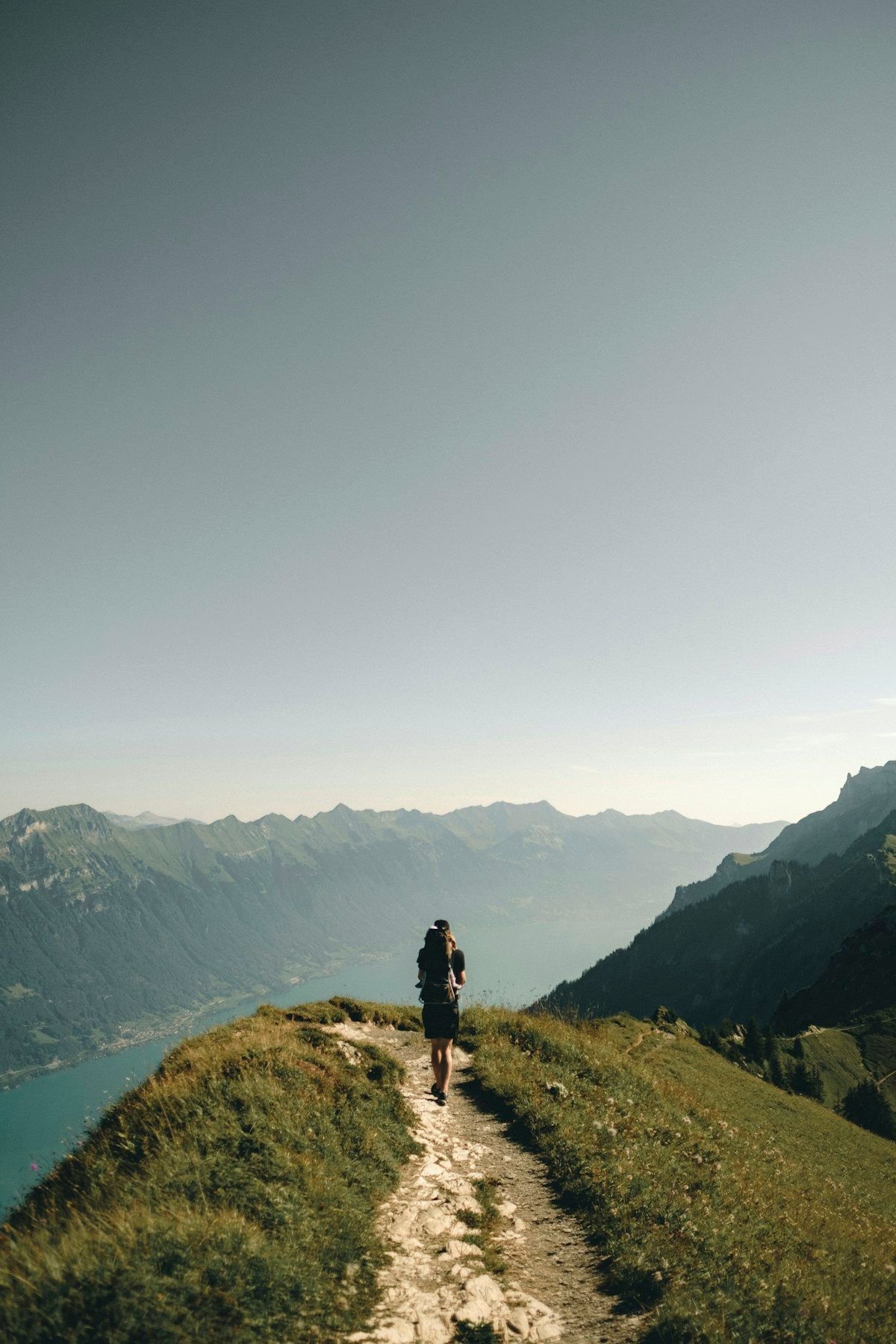
Winter camping demands more preparation — but rewards you with landscapes and experiences unavailable in any other season
Winter camping amplifies every gear decision. The cold margin for error is much smaller — inadequate insulation or wet clothing can lead to hypothermia within hours. The essential additions for cold-weather camping include a 4-season tent with a strong geodesic structure to resist snow loading, a sleeping bag rated well below your expected overnight low (aim for a bag rated 10–15°C below the forecasted minimum), and chemical hand warmers as backup heat sources for cold nights.
High-calorie food becomes more important in winter — your body burns significantly more calories maintaining core temperature in cold conditions. Insulated water bottles prevent your water supply from freezing overnight.
The Camping Night Sky — Worth Every Preparation Effort
The reward for good preparation — waking in the night to a sky full of stars that city life never shows you
Final Tips for First-Time Campers
- Pack light, but never under-prepare — the 10-kilogram rule: a beginner backpacker’s full pack should not exceed 10–12 kg; anything heavier degrades the experience
- Check weather conditions thoroughly before departure — check multiple forecasts for your specific area; mountain weather changes faster than valley conditions
- Tell someone your plan — always leave a written itinerary with a trusted person before any solo or backcountry camping trip
- Practice at home first — set up your tent in your garden, cook a meal on your camp stove at home, and test your sleeping system in a cold room before relying on it in the field
- Maintain your gear after every trip — dry your tent before packing it away (mold destroys fabric seams), re-waterproof your jacket annually, and check sleeping bag loft after washing
- Leave No Trace — pack out everything you pack in; bury human waste correctly; leave campsites exactly as you found them
Plan Your Camping Adventure with Trip & Deal
Trip & Deal offers a range of outdoor adventure packages — from guided camping trips and trekking expeditions in Nepal and Bhutan to nature-based holidays in India’s national parks and hill stations. Whether you are a first-time camper looking for a supported introduction to the outdoors or an experienced traveler seeking a remote wilderness experience, we help you plan and prepare for the adventure ahead.
Good preparation creates great adventures. Pack smart, travel light, and let nature do the rest.
