
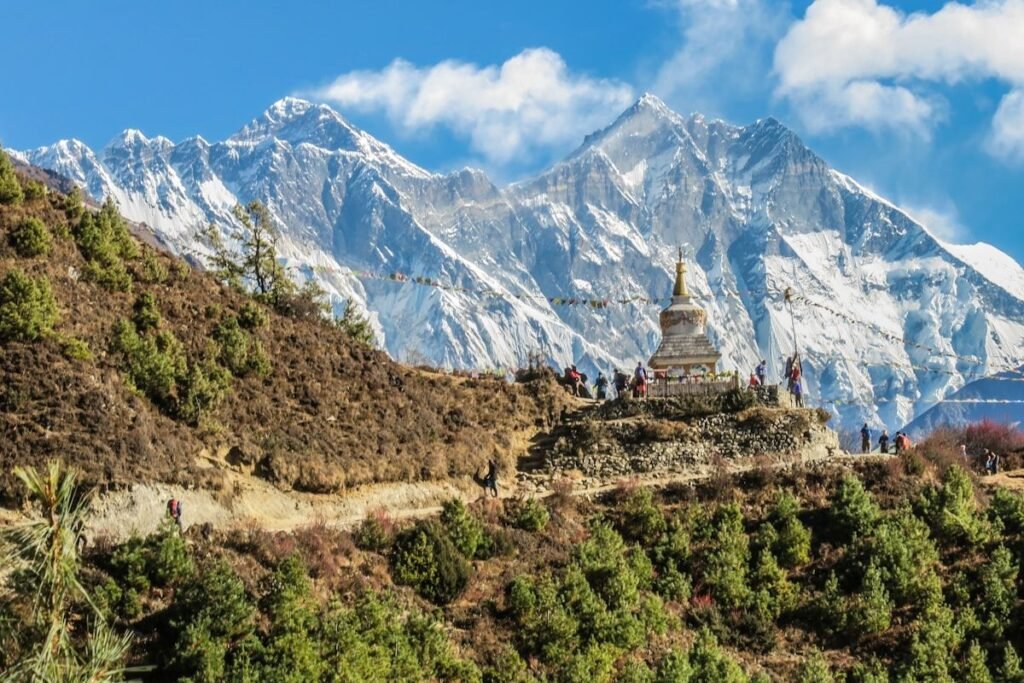
Standing at the top of the world is one of humanity’s oldest and most enduring dreams. At 8,848.86 metres above sea level, Mount Everest is Earth’s highest point — a mountain whose very name carries the weight of ambition, courage, and the deepest human need to push beyond every known limit.
Whether you dream of reaching the summit, trekking to Everest Base Camp, or simply standing in the shadow of the world’s greatest mountain, the Everest region of Nepal offers one of the most extraordinary travel experiences on earth — accessible to a much wider range of travelers than most people realize.
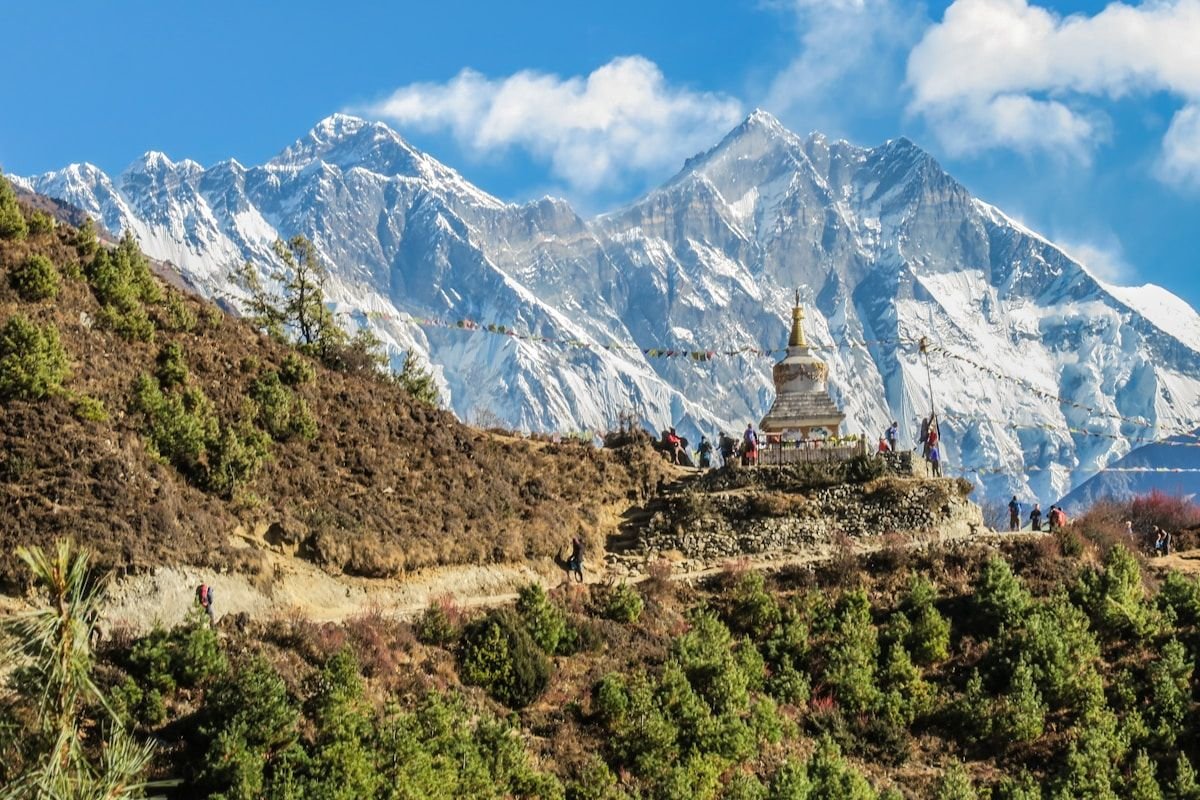
Mount Everest (8,848.86 m) — the highest point on Earth, seen from the Khumbu Valley in Nepal
Understanding Everest — Summit vs Base Camp
There is an important distinction most first-time visitors overlook: attempting the Everest summit and trekking to Everest Base Camp (EBC) are completely different experiences — and the latter is achievable by any reasonably fit traveler with proper preparation.
- Everest Summit (8,848.86 m) — requires months of technical climbing preparation, significant mountaineering experience, supplemental oxygen, and a permit costing USD 11,000 per climber. Only around 300–400 climbers successfully summit each year.
- Everest Base Camp Trek (5,364 m) — a 12–14 day trek through the Khumbu Valley, accessible to fit non-technical walkers. One of the world’s most rewarding and celebrated long-distance treks. No technical climbing experience required.
Both journeys begin in Kathmandu and follow the same spectacular route through Sherpa villages, Buddhist monasteries, and Himalayan glaciers — making the Everest region one of the world’s great travel destinations regardless of your ambition level.
The Everest Base Camp Trek — The Most Accessible Himalayan Adventure
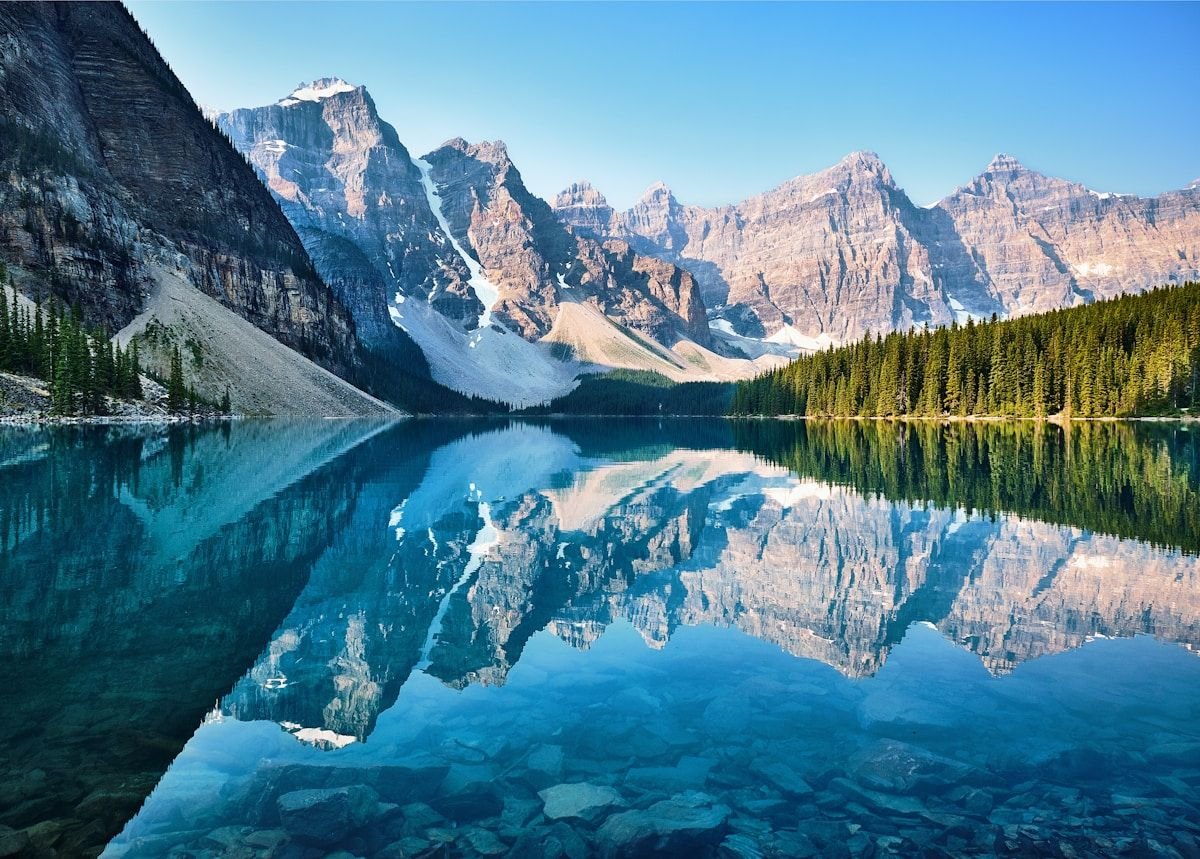
The trail to Everest Base Camp — one of the world’s most celebrated long-distance treks, passing through the heart of the Khumbu Valley
The EBC trek is a journey through one of the most dramatic landscapes on earth. From the moment you land at Lukla Airport — one of the world’s most exhilarating runway approaches at 2,860 metres — every day on the trail brings new wonders: soaring peaks, ancient monasteries, glacial rivers, yak caravans, and the warm hospitality of Sherpa teahouse culture.
Classic EBC Trek Route Highlights
✈️ Lukla (2,860 m)
- Gateway to the Khumbu
- Famous mountain runway
- Trek begins here
🏘️ Namche Bazaar (3,440 m)
- Main Sherpa trading town
- Acclimatisation day stop
- First Everest views
🛕 Tengboche (3,860 m)
- Famous Buddhist monastery
- Dramatic Ama Dablam views
- Spiritual heart of the trek
🏔️ Gorak Shep (5,160 m)
- Last teahouse stop
- Gateway to Base Camp
- Kala Patthar viewpoint nearby
⛺ Base Camp (5,364 m)
- The ultimate EBC goal
- Khumbu Icefall views
- Expedition tents in season
Most trekkers agree that Kala Patthar (5,645 m), a small peak just above Gorak Shep, offers the finest close-up views of Everest — better than Base Camp itself. The pre-dawn climb for sunrise over the Himalayas is an experience that defines the entire journey.
The Nepal Journey — More Than Just the Mountain
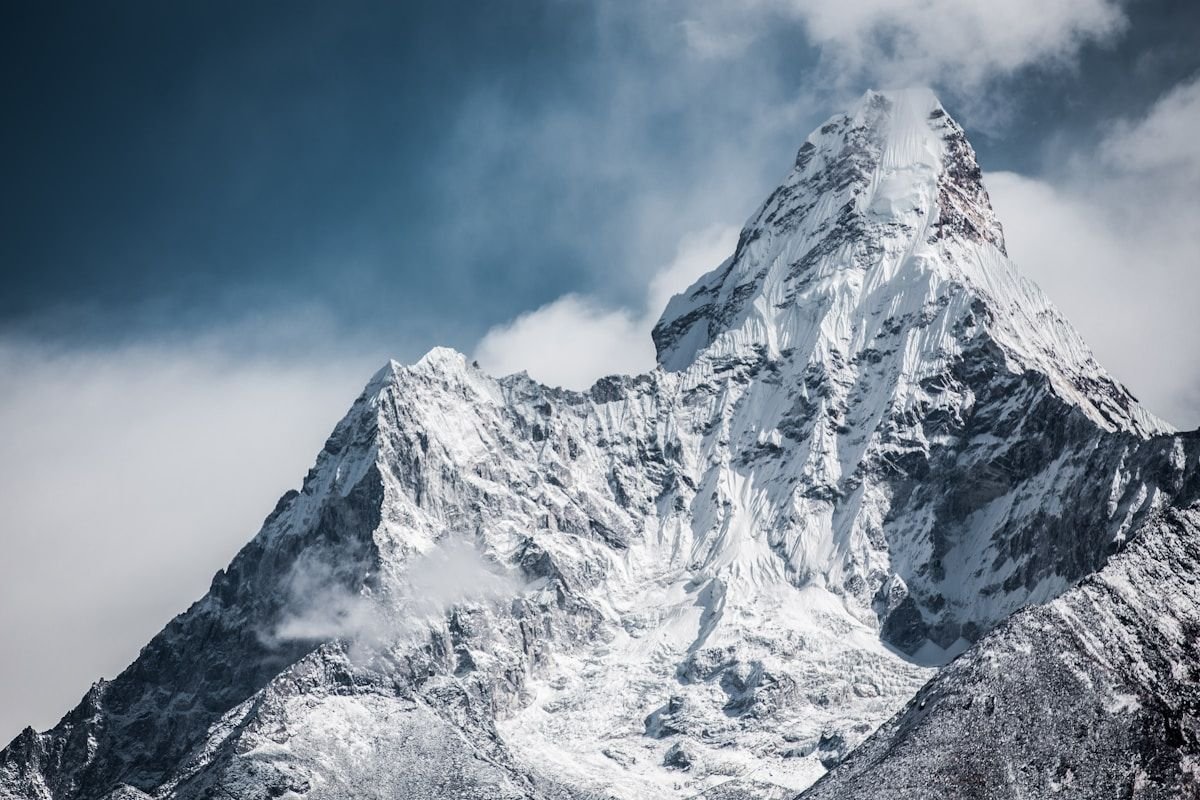
Sherpa villages along the Everest trail — a living culture of mountaineering, Buddhism, and extraordinary Himalayan hospitality
What makes the Everest trek so uniquely memorable is that the journey itself is as extraordinary as the destination. The Khumbu Valley is a living cultural landscape — home to the Sherpa people, whose mountaineering heritage and Buddhist traditions are woven into every teahouse, monastery, and prayer flag that lines the trail.
- Kathmandu — the UNESCO World Heritage city where all expeditions begin, with Durbar Square, Boudhanath Stupa, and Pashupatinath Temple worth at least two full days
- Lukla to Namche — the approach through rhododendron forests, suspension bridges strung with prayer flags, and the first views of the great peaks
- Namche Bazaar — the Sherpa capital, with a fascinating Saturday market and the Everest View Hotel at 3,880 metres
- Tengboche Monastery — one of the most important Buddhist monasteries in Nepal, set against a backdrop of Everest, Lhotse, and Ama Dablam
- Khumbu Glacier — the world’s highest glacier, stretching beneath the Khumbu Icefall above Base Camp
Preparing for the Everest Region — Essential Information
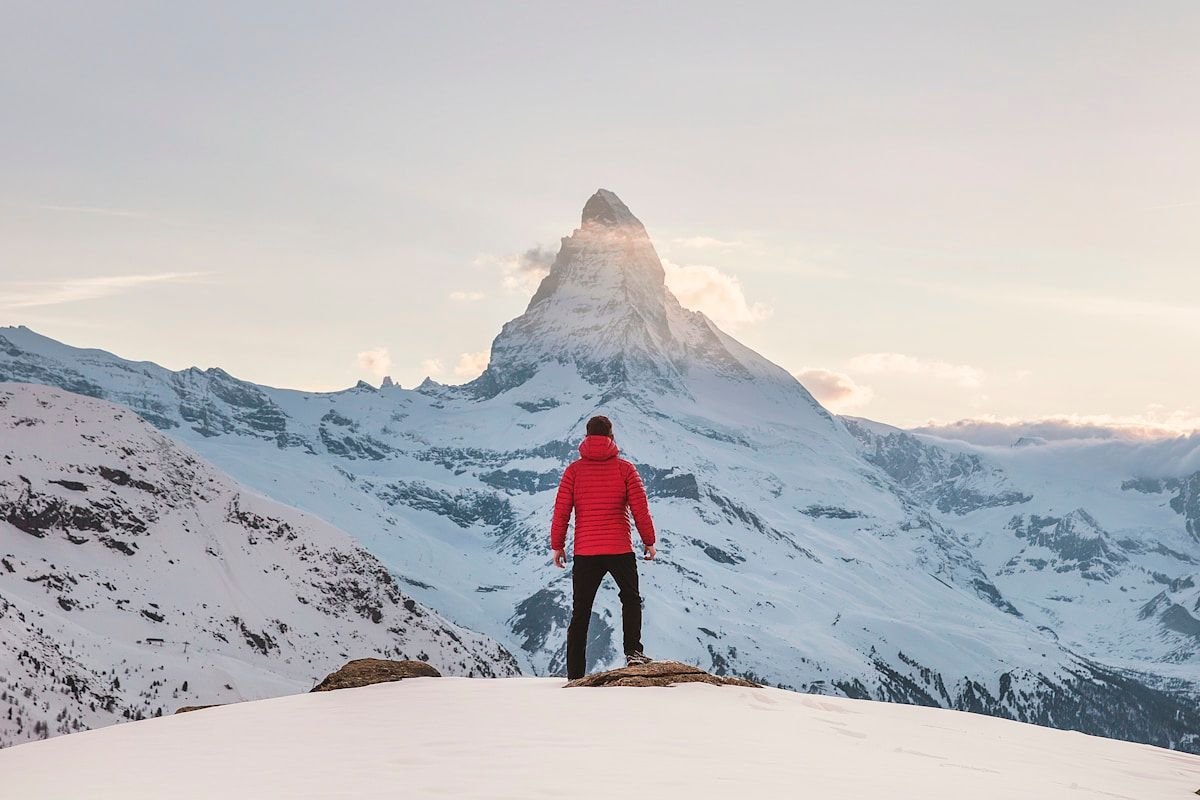
Proper equipment and preparation are essential for any Everest region expedition — whether Base Camp trek or summit attempt
Physical Preparation
The EBC trek involves 5–7 hours of walking per day on rough mountain trails, with significant altitude gain. A minimum of 3 months of dedicated cardio and endurance training is recommended — including regular hiking on hills, running, and strength training. Previous trekking experience is a strong advantage.
For a summit attempt, preparation is a multi-year process requiring extensive mountaineering training, experience on 6,000–7,000 metre peaks, and technical skills including ice climbing, fixed-rope techniques, and crevasse rescue.
Essential Equipment for EBC Trek
- Layered thermal clothing and a quality down jacket (temperatures drop to -20°C at altitude)
- Waterproof trekking boots broken in before departure
- Trekking poles — essential for descent and joint protection
- UV-protective sunglasses and high-SPF sunscreen (UV radiation is intense at altitude)
- Altitude sickness medication (Diamox) — consult a doctor before travel
- Sleeping bag rated to -20°C for teahouse cold nights
- Headlamp, water purification tablets, and a quality first aid kit
Acute Mountain Sickness (AMS) affects a significant percentage of EBC trekkers. The most important rule: never ascend if you have symptoms. The “climb high, sleep low” acclimatisation principle and built-in rest days at Namche and Dingboche are non-negotiable. Never rush the acclimatisation schedule to save time.
The Role of Sherpas — The Heart of Every Himalayan Expedition
No account of Everest is complete without recognising the extraordinary Sherpa community. The Sherpa people of the Khumbu Valley are the backbone of every Himalayan expedition — their high-altitude endurance, mountaineering expertise, and intimate knowledge of the mountain have made every Everest summit possible.
Beyond logistics, hiring local Sherpa guides and porters is the most direct way to support the communities whose homeland you are passing through. The trekking industry provides the primary livelihood for most Khumbu Valley families.
Best Season to Visit the Everest Region
- Spring (March–May) — the primary summit season; clearest skies, stable weather windows, rhododendrons in bloom on lower trails. Best overall conditions.
- Autumn (October–November) — the second summit season; excellent post-monsoon clarity, outstanding views, slightly cooler temperatures. The most popular EBC trekking season.
- Winter (December–February) — very cold, fewer crowds, often clear skies. Possible for experienced trekkers but challenging.
- Monsoon (June–September) — heavy rainfall, cloud-covered peaks, and leeches on lower trails. Not recommended for most visitors.
Why Everest Is the Ultimate Travel Bucket List Experience
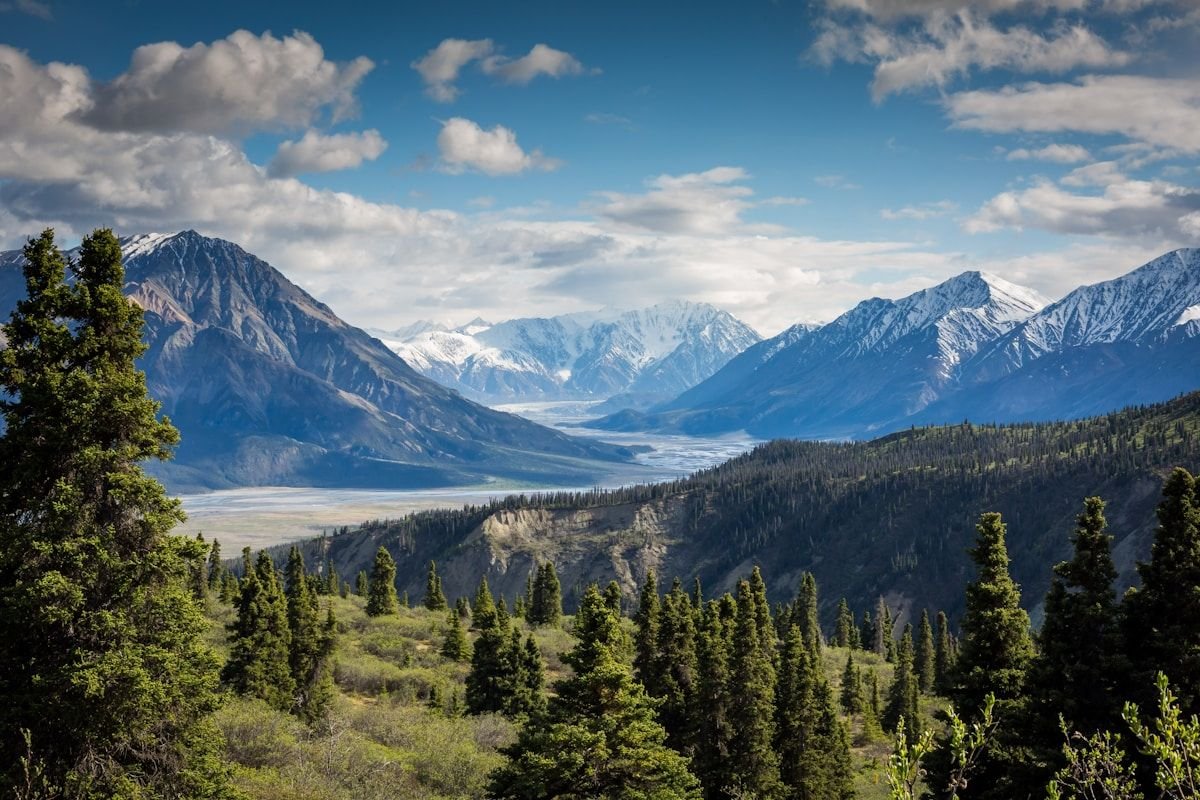
Dawn over the Himalayas — few views anywhere on earth compare to a sunrise from the roof of the world
Whether you reach the summit, stand at Base Camp, or simply gaze at Everest from Namche Bazaar, the mountain has a way of changing people. It strips away the ordinary and replaces it with something far more essential — a clarity about what matters, what you are capable of, and how extraordinary the natural world truly is.
🏔️ What the Everest Experience Gives You
- An encounter with Earth’s most dramatic landscape — nothing compares to the scale of the Khumbu Himalayas
- Deep immersion in Sherpa culture and Buddhist mountain traditions
- A genuine test of physical and mental endurance that builds lasting confidence
- Some of the most extraordinary photography opportunities on the planet
- The knowledge that you stood in one of the most iconic places in human exploration history
- An experience that stays with you — and calls you back — for the rest of your life
Plan Your Nepal & Everest Adventure with Trip & Deal
Trip & Deal offers complete Nepal travel packages — including guided Everest Base Camp treks, Kathmandu cultural tours, Annapurna Circuit expeditions, and luxury Nepal holiday itineraries that combine the Himalayas with Chitwan National Park and Pokhara’s lakeside tranquility.
We handle all permits (TIMS card, Sagarmatha National Park entry), domestic flights to Lukla, guide and porter arrangements, teahouse accommodation bookings, and comprehensive travel insurance advice — so you can focus entirely on the journey ahead.
Everest does not ask whether you are ready. It simply waits. And one day, if you listen carefully enough, you will find yourself answering its call.
